 |


The EIBA is pleased to acknowledge the following Official Partners & Suppliers



-(003).png)










|
UK COACHING WEEK: MAL EVANS ON WHY COACHING MATTERS IN BOWLS |

|
A former PE teacher, Director of
Coach Bowls and International Performance Coach for Team England, he
has dedicated decades to developing players, coaches and the wider
sport. For UK Coaching Week, he reflects on the growing coaching culture in bowls, the rewards of helping players improve, and why listening is the most important skill a coach can possess. Mal believes coaching is what turns potential into progress. He does not see it as an optional extra, but a vital aspect of any player's development, whether they are trying bowls for the first time or striving to compete at the highest level. "Coaching is fundamental to all sports if you wish to improve at any of them," he says. "Within the bowls community we have to catch up a little to other well-established sports which already have a coaching culture ingrained in them." Mal points to the rapid increase in the number of qualified coaches available to bowlers and believes that seeking out coaching should become as natural in bowls as it is in football, tennis or athletics. "Approaching a coach at whatever level already indicates that you wish to tap into the experience and knowledge that person possesses in order to give yourself every opportunity to make the necessary gains you require in order to get better as a bowler," he explains. "In any other sport your first port of call if you were to try a new sport would be to set up a coaching session- why should bowls be any different?" The reward of making a difference When asked what he enjoys most about coaching, Mal returns to one simple idea: trust. Players come to a coach because they believe that person can help them improve, and he sees that relationship as one of the most powerful aspects of the role. "The knowledge that a person has come to you as a coach because they trust your professional expertise and knowledge of the sport to aid their development is a very powerful draw," he adds. For him, the real satisfaction comes when even a small intervention produces a meaningful result. "Whether it be solving a technical issue or sharpening a player's mental toughness, you can look back as a coach and say, 'I was able to make that happen.' That is probably the best thing about being a coach." Challenges facing bowls coaches While coaching is becoming more accepted in bowls, Mal acknowledges that building credibility is not easy. New coaches often have the technical knowledge and qualifications to deliver beginner sessions confidently, but earning the trust of more experienced players takes time. "Coaches who wish to move up the ladder have to work that much harder initially to gain the relevant qualifications and then get themselves noticed in their area," he says. "It is hard work and requires dedication from the coach to develop a reputation that players trust." That reputation, he believes, is built through consistency, relationships and a willingness to tailor coaching to the individual rather than relying on a one-size-fits-all approach. 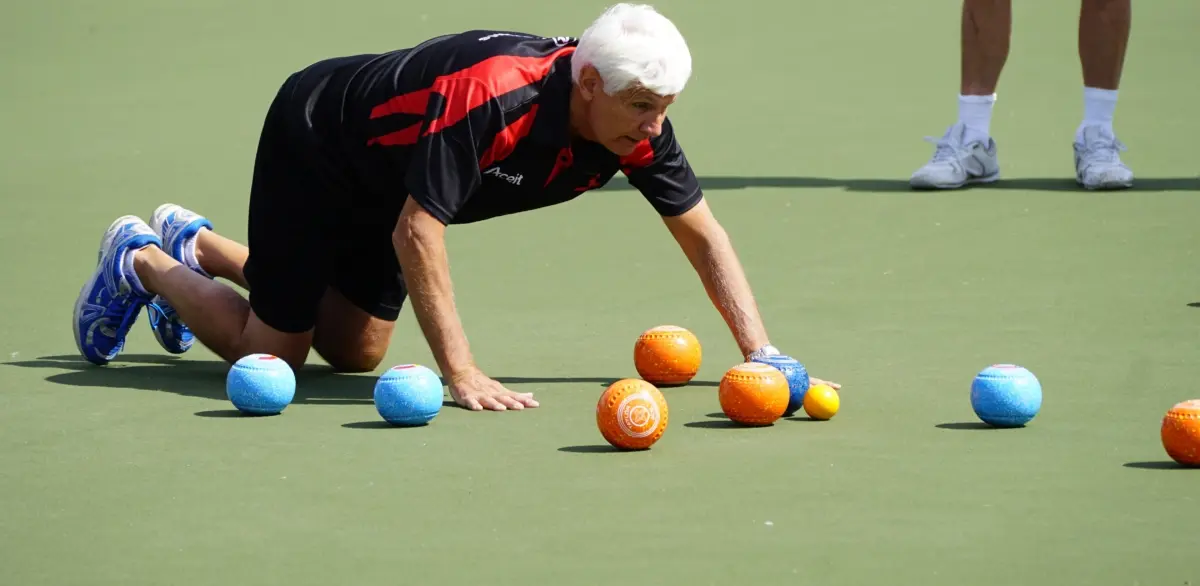 A lesson in coaching One of Mal's most memorable coaching moments involved a clubmate in his eighties who was struggling with his delivery. On noticing the player was carrying his lead leg and suspecting an old injury was affecting his action, Mal gently offered help, but the response was blunt. "I don't need any coaching from you; I've been playing this game longer than you and know everything I need to know." Mal stepped back, but two weeks later the same player returned and asked for assistance. During a relaxed session, they identified that the old injury was forcing compensations in the player's set-up and delivery. By making a few adjustments to create a more comfortable starting position, the problem was solved almost immediately. A fortnight later the player returned with a smile. "Haven't lost yet- marvellous." There was no formal thank you, Mal laughs, but he did not need one. "I settled for the warm glow of knowing I had made a difference. The player concerned was 83 years of age, so who says you can't teach an old dog new tricks?" What makes an effective bowls coach? Mal believes the best coaches combine technical knowledge with humility and empathy. He identifies five qualities that matter most: Self-belief- confidence that you can genuinely help a player improve. Technical expertise- a strong understanding of the mechanics and tactics of the game. A commitment to learning- great coaches keep updating and refining their methods. Listening skills- understanding what the player is experiencing, physically and mentally. Player-first thinking- the person who you are coaching is the most important person and not you. That final point is the one he returns to repeatedly. Coaching, in his view, is not about showing how much the coach knows. It is about helping another person become the best version of themselves. Building a stronger coaching culture As UK Coaching Week celebrates the impact of coaches across every sport, Mal sees a clear opportunity for bowls to continue evolving. More coaches are qualifying, more players are seeking support, and the old perception that coaching is only for beginners is gradually fading. The story of the 83-year-old clubmate is a reminder that improvement is possible at any age and at any stage of a bowler's journey. For Mal, that is the true value of coaching: creating the conditions for players to improve, gain confidence and enjoy the game more. "When you are able to make the slightest difference," he says, "that is what makes coaching worthwhile." Sian Honor We' d love to know what bowls means to you, get in touch at info@eiba.co.uk Previous Article - 50 DAYS TO THE COMMONWEALTH GAMES |
June 2026
 |
Archives |
Accessibility |
Downloads |
Guidance Notes |
Links |
Photos |
Contact Us |
Privacy Notice
 |