 |


The EIBA is pleased to acknowledge the following Official Partners & Suppliers



-(003).png)









|
FROM A £100,000 COUNCIL PROJECT TO SIX NATIONAL FINALS TITLES: HOW SPALDING IBC HAS KEPT BOWLS MOVING FOR MORE THAN 50 YEARS |
|
More than half a century later,
the prices have rocketed, the building has changed and the club has
temporarily moved home. But Spalding's appetite for bowls has proved
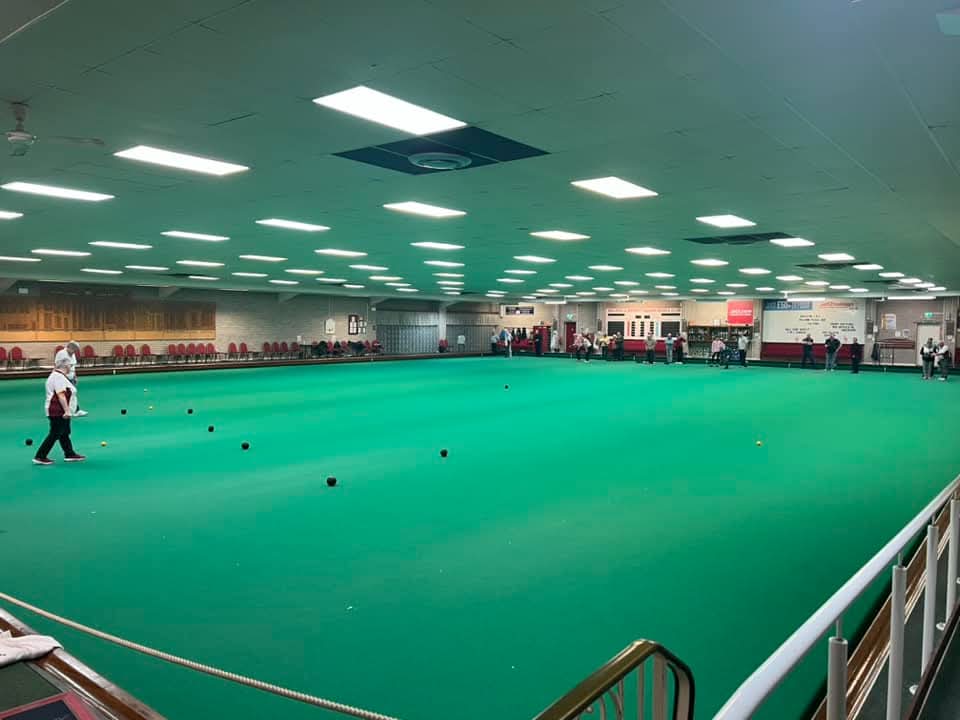
remarkably durable. AThe club opened its doors after the local council agreed to an indoor bowling green as one of three major projects. The £100,000 development followed discussions with local bowlers, clubs and the EIBA, with Derek and Doreen Sands taking charge as the first manager and manageress. Within days, 105 bowling and social members had signed up. The success was remarkable- membership soon passed 500 and eventually reached around 850 in 1987. During the club's most successful period, hundreds of teams were competing in its leagues. The record came in the 1994/95 season, when 279 teams took part. 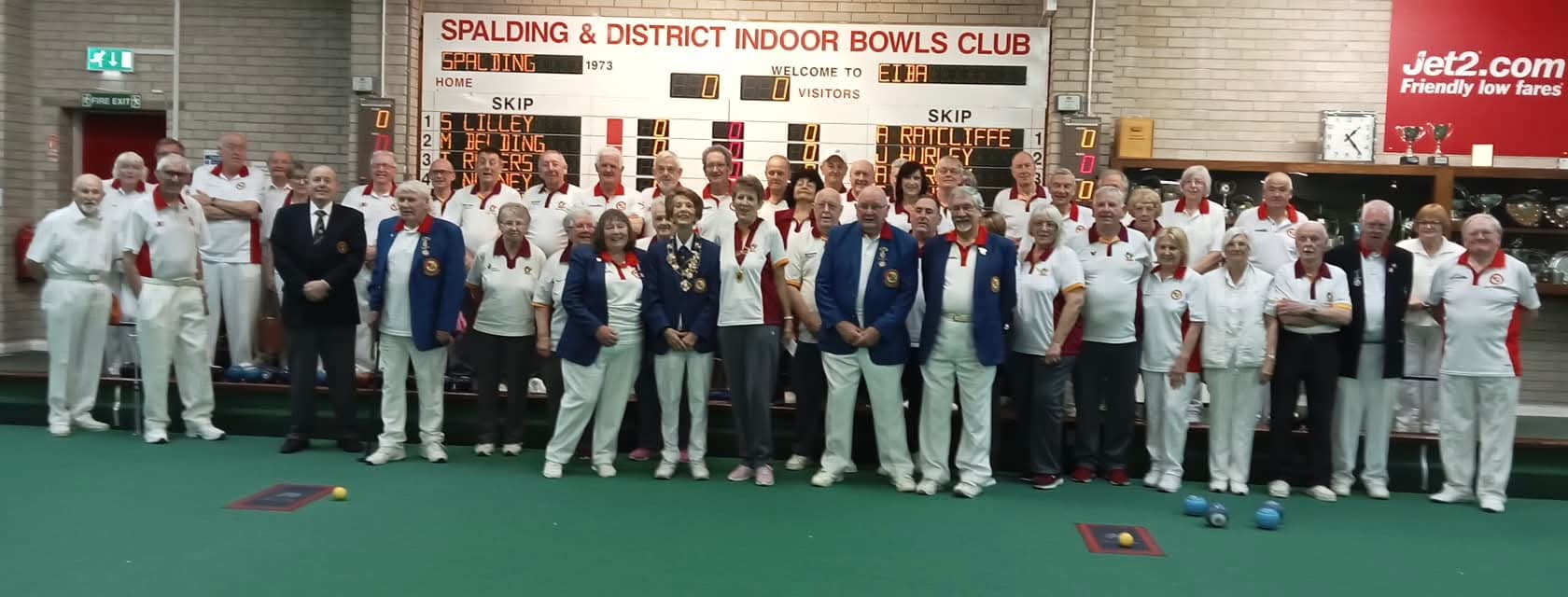 The original building was quirky. Visitors approached through a long ramp and a large conservatory-style area, which also served as an administrative base for the Holbeach Athletics Club. A fish pond and collection of plants completed the distinctive entrance. Beyond it was the bowling hall, with a Cambrian Felt carpet laid over a concrete floor. Despite appearances, it wasn't long before Spalding was attracting attention beyond Lincolnshire. In 1976/77, the EIBA chose the club to stage the final stages of the National Singles and Pairs Championships. The Liberty Trophy Final followed in 1979 and 1980, while the Ladies International Trial was held there in 1985. 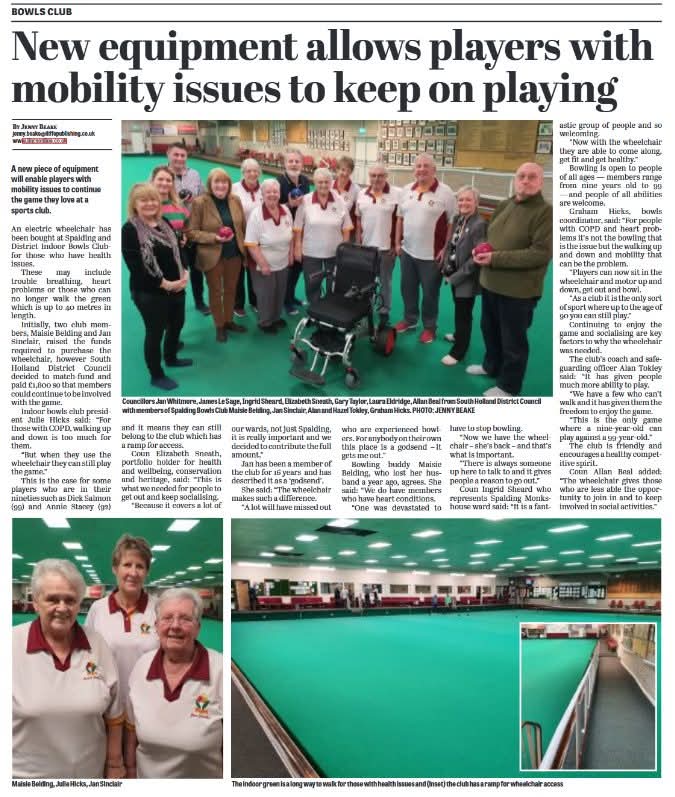 Spalding hosted the National Under-25 Singles Championship in 1988 and the National Under-18 Singles Championships in 2015, 2016 and 2017. The club's players have also made their mark on the game. In January 2001, Simon Lilley became the first Spalding player to qualify for the World Indoor Singles Championships at Potters. Others have followed, in singles and pairs, with Graham Smith going furthest when he reached the singles semi-final in 2004. There have been numerous county, national and international successes since, although the club's story is not simply one of trophies - its strength has always been its size and variety. Competitive players bowl alongside social players, juniors with and next to experienced members, and beginners are encouraged from the outset. The club caters for players from eight to 108-plus and also welcomes para bowlers, including those using motorised wheelchairs and specialist equipment. It has invested in coaching too, funding eight members to gain coaching qualifications. Sessions are now available on request and are often arranged around open days and other introductory events. When the club lost its home Everything was going well, even with a difficult period after Covid, until the beginning of 2025, when the redevelopment of the local sports centre meant Spalding faced the prospect of being without its home for up to two years. 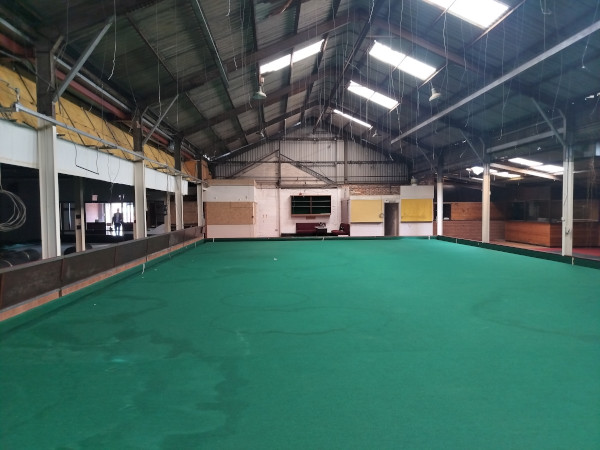 Other clubs offered assistance. Grantham was particularly helpful, but the distance between the two venues was likely to prove difficult for many members. Then came the suggestion of using an old facility at Long Sutton, owned by Lincolnshire Co-op, had been sitting unused for years. The club went to take a look. "Wow, what a mess!" was the verdict. Most clubs might have walked away, but Spalding's committee put together a proposal for South Holland District Council in February 2025, setting out how it could operate the Long Sutton facility while the redevelopment was taking place. What followed was months of meetings, paperwork and practical work. There were licences to obtain, policies to write, a constitution to revise, refuse collections to arrange and stewards to train. Lincolnshire Co-op agreed to building improvements, while Graham Hicks used his experience in the building trade to coordinate much of the work. 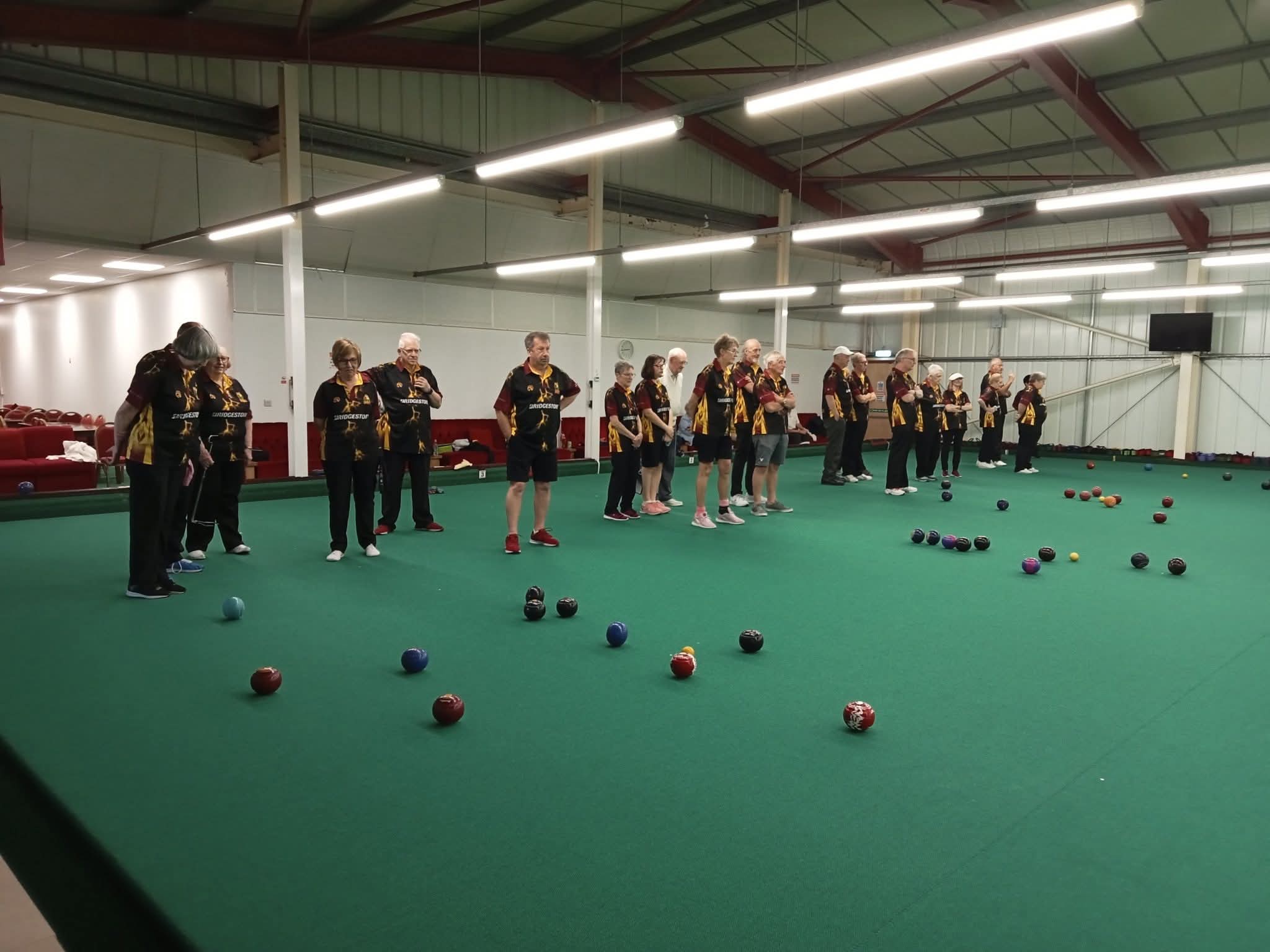 In October 2025, Kevin Ekins and Graham Hicks signed a two-year sublease and by 18 October, the first league and weekend teams took to the green. Spalding came through the 2025/26 season having made a financial profit and, on the green, returned from the EIBA National Finals with six titles. More than bowls There is a reason the club has been able to survive changes in buildings, membership and the wider sport. Every year, members nominate a charity for the club to support. During the summer, volunteers run 'Bowling for Fun' drives, with more than £1,250 raised in 2025 and distributed among five local charities. Maisie Belding and Jan Sinclair are among those who organise summer drives and weekly Friday afternoon sessions for players of all abilities. 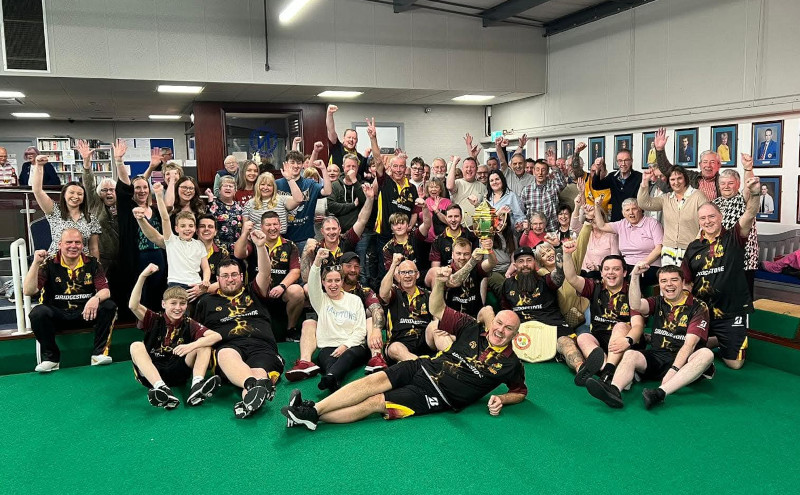 The club also looks for opportunities to bring in people who might not otherwise walk through the doors. Development Officer Annie Dunham has established links with a local walking group, while Junior Co-ordinator Dominic McVittie is working to introduce more young people to the sport and is looking at ways of involving his school. There has even been room for a local croquet group was invited to see whether it could adapt to playing indoors on half of the bowling green. The trial worked and the group now books the facility fortnightly for full-day sessions, along with two weekend days each month from November to March. It is an example of the club's willingness to make use of its space. A family connection For one member of the club, Simon Lilley, Spalding's history is also family history. 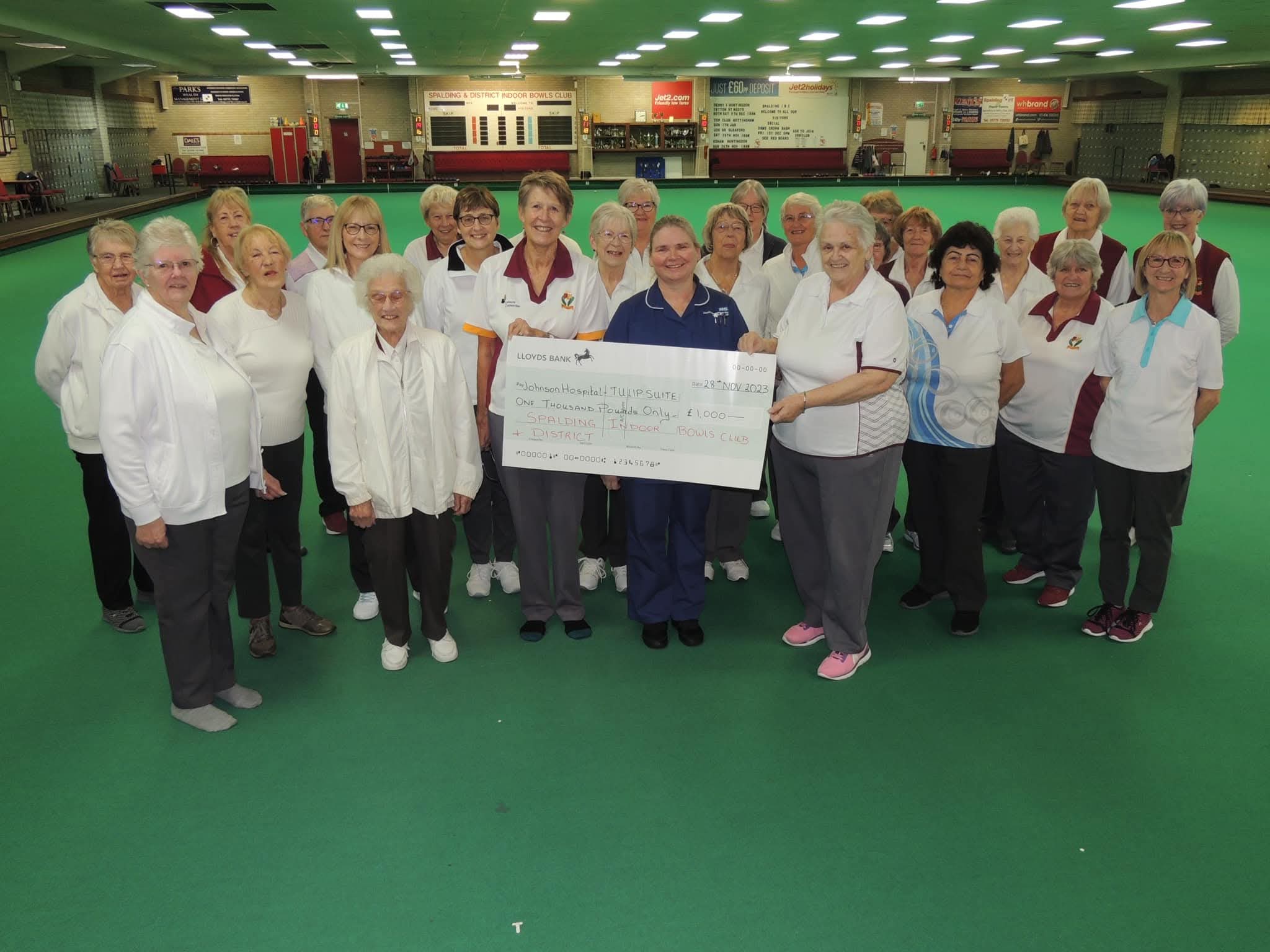 He said: "My great grandfather, Councillor Bert Baxter, was not only a founding member of the Mail Cart Bowls Club (now the Royal Mail Cart Bowls Club) in Spalding, but also a founding member of the Spalding District Indoor Bowls Club. It was my grandfather who got me into lawn bowls and I first played for the outdoor club in 1983 (aged 10) and then for the indoor club in 1986. "Kevin Ekins has also been a member of the club without any breaks from around the same time and last year the members made us both Life Members, for which we are both eternally proud. Kevin will remain with the Club as we return to Spalding from Long Sutton next year, but I have moved to Norfolk now and will retire as Chairman at the next AGM and play my bowls from Norfolk." Stories like this are a reminder of something that can be easily overlooked when talking about the future of bowls: clubs are built over decades, often by people whose contribution never appears on a results sheet. Heading home The redevelopment of the Castle Sports Complex, now known as the Castle Activity & Fitness Centre, is expected to bring the club back to Spalding in 2027. The current target is May for the move, with bowling expected to resume in June. Before that can happen, there is plenty to do. The bowls hall will need a deep clean, the carpet will need to be cleaned and stretched, and furniture, lockers and kitchen equipment will have to be moved back from Long Sutton. There are also plans for new LED lighting, decoration and other improvements, while discussions are continuing over future carpet replacement and opening hours. The club is working with the council and Parkwood Leisure on a bowls development plan, with the shared aim of increasing participation, to tackle membership decline as a result of the move. 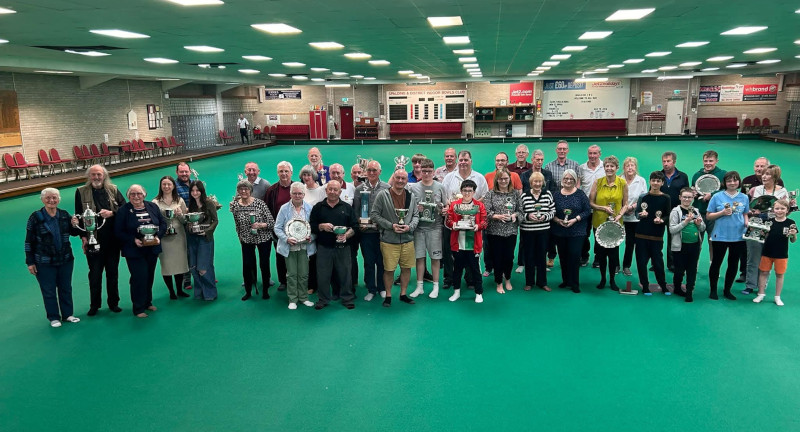 Spalding had more than 300 members before leaving its home but now
has around 250, with some choosing clubs closer to where they live,
including Peterborough, Stamford and Boston. Spalding had more than 300 members before leaving its home but now
has around 250, with some choosing clubs closer to where they live,
including Peterborough, Stamford and Boston.The club expects some of those members to return when it reopens, but also has ambitions about growth. Open days will continue, newcomers are encouraged to walk in and have a go, and the club has the coaching structure to help beginners develop. For a club that began with 105 members, reached 850, survived the arrival of rival indoor centres, hosted national championships and recently transformed an abandoned building into a functioning bowls venue, there is plenty of evidence that it knows how to make it work, and we look forward to the next chapter. By Sian Honor We' d love to know what bowls means to you, get in touch at info@eiba.co.uk Previous Article - SANDY HAZELL RETIRES FROM INTERNATIONAL INDOOR BOWLS |
September 2026
 |
Archives |
Accessibility |
Downloads |
Guidance Notes |
Links |
Photos |
Contact Us |
Privacy Notice
 |