 |


The EIBA is pleased to acknowledge the following Official Partners & Suppliers



-(003).png)








|
GLASGOW 2026 IS OVER - NOW THE REAL WORK BEGINS FOR INDOOR BOWLS CLUBS |
|
For a short period, people who
may never have considered watching or playing bowls are introduced
to our sport, its players and the skill, precision and drama
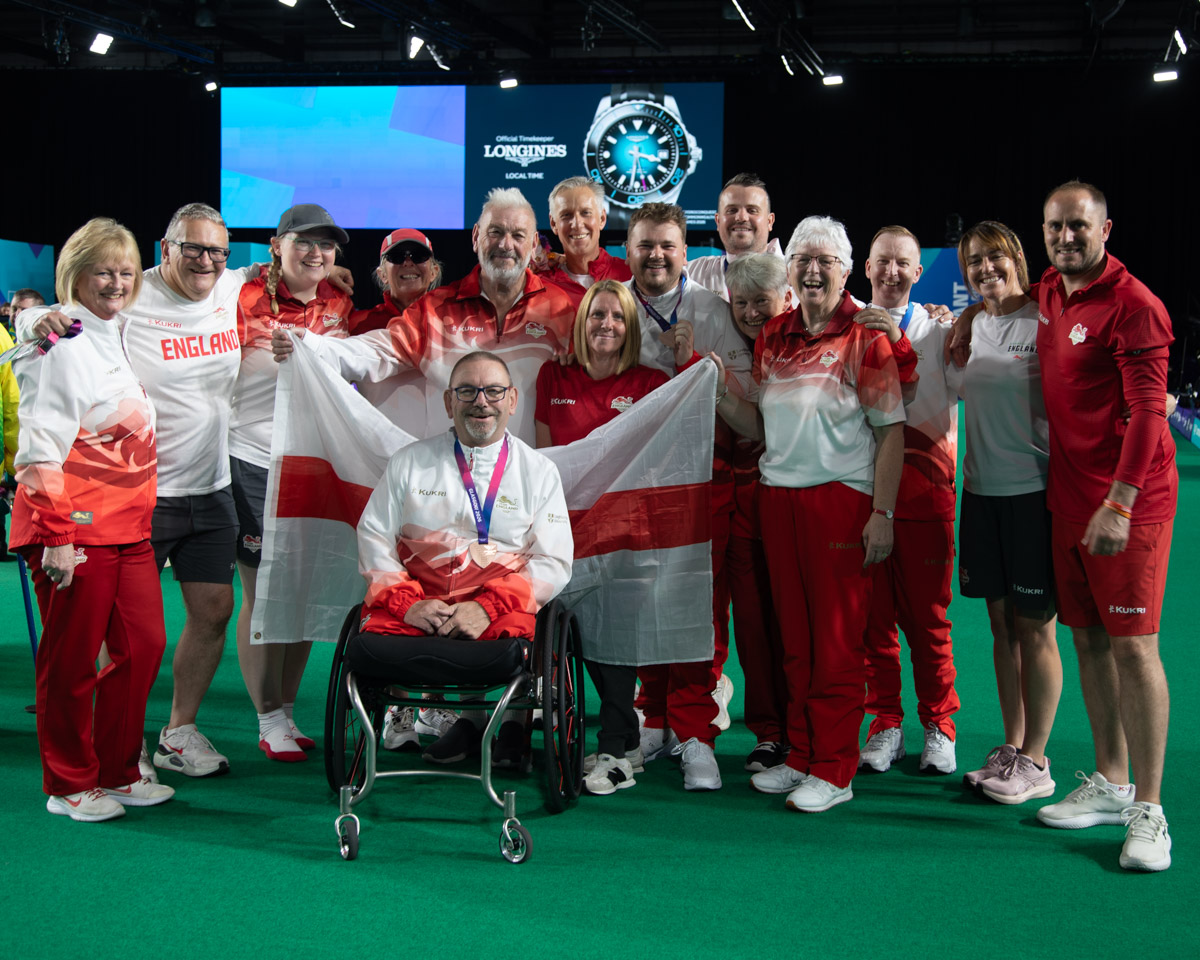
involved at the highest level. Glasgow 2026 was particularly significant for indoor bowls, with the sport played on carpet at the Commonwealth Games for the first time. England's players gave us plenty to celebrate, producing some outstanding displays and once again demonstrating the strength of English bowls. Out of the seven disciplines, we came away with medals in six events- gold in the Men's Singles, Women's Singles and Women's pairs, silver in the Men's Pairs, Visually Impaired Mixed Pairs and bronze in the Men's Para Pairs. Our Para Women's Pairs also put in performances to be proud of. But the medals and television coverage are only the beginning. The real opportunity now sits with clubs. The question for every indoor bowls club should be simple: how do we turn the people who watched Glasgow 2026 into people who walk through our doors? Beyond the Games 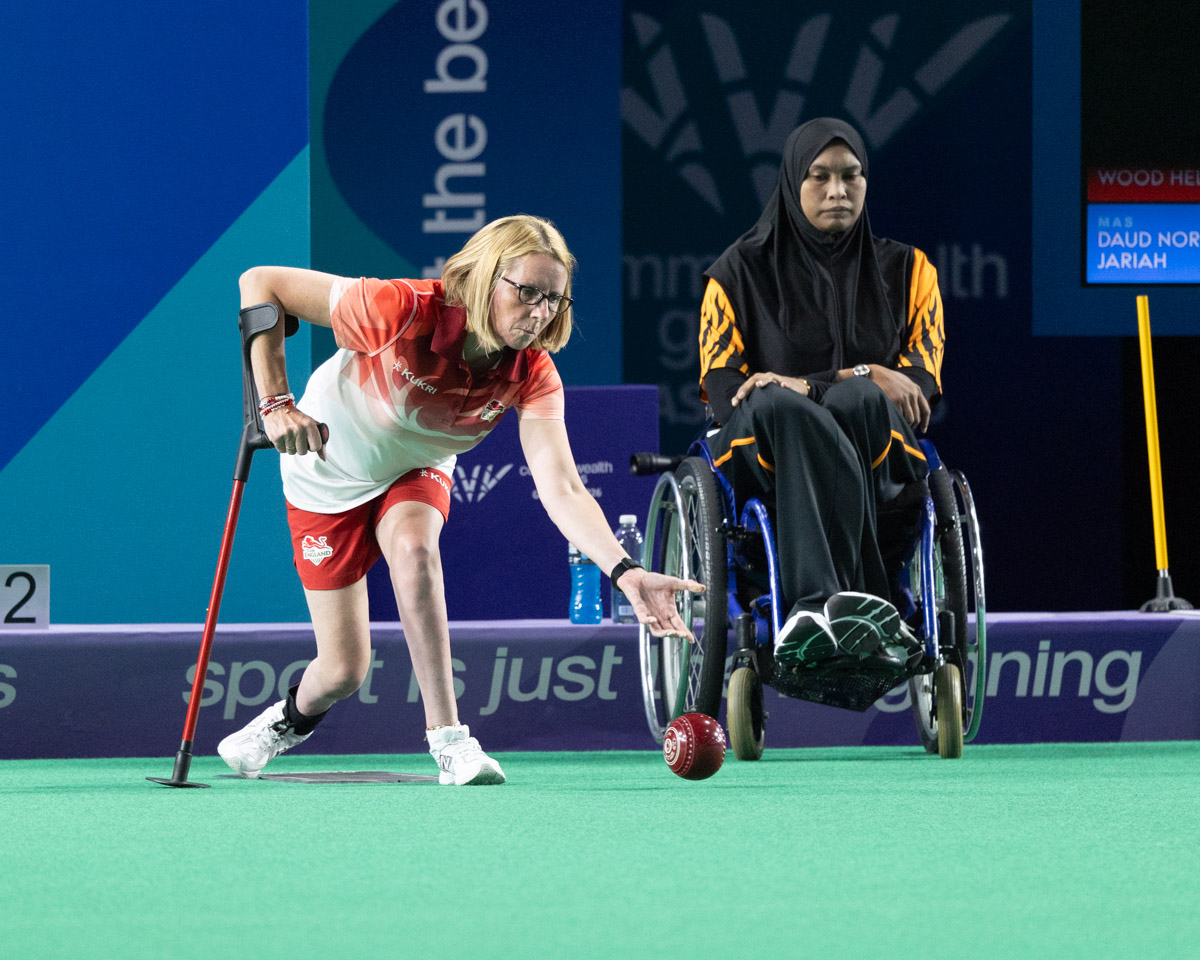 For some people, Glasgow 2026 will have been their first proper look at indoor bowls. They may have been surprised by the speed of the game, the tactics, the pressure of the shot clock or the atmosphere created by the crowd. They may also have watched a bowler play an incredible shot and thought: 'I'd like to have a go at that.' That moment of curiosity is valuable, but it will not last indefinitely. Clubs need to make it as easy as possible for someone to turn that curiosity into action. Try searching for your own club online as if you had never heard of it before. Search for 'indoor bowls near me' and see what comes up. Is your website easy to find? Does it tell people when they can play? Is there a phone number or email address that is clearly visible? Do your social media channels look active? Most importantly, does the information answer the questions a complete beginner is likely to have? If someone has watched bowls for the first time and wants to try it, they should not have to send three emails, leave a voicemail and search through an old Facebook post to work out what to do next. Make the first visit easy 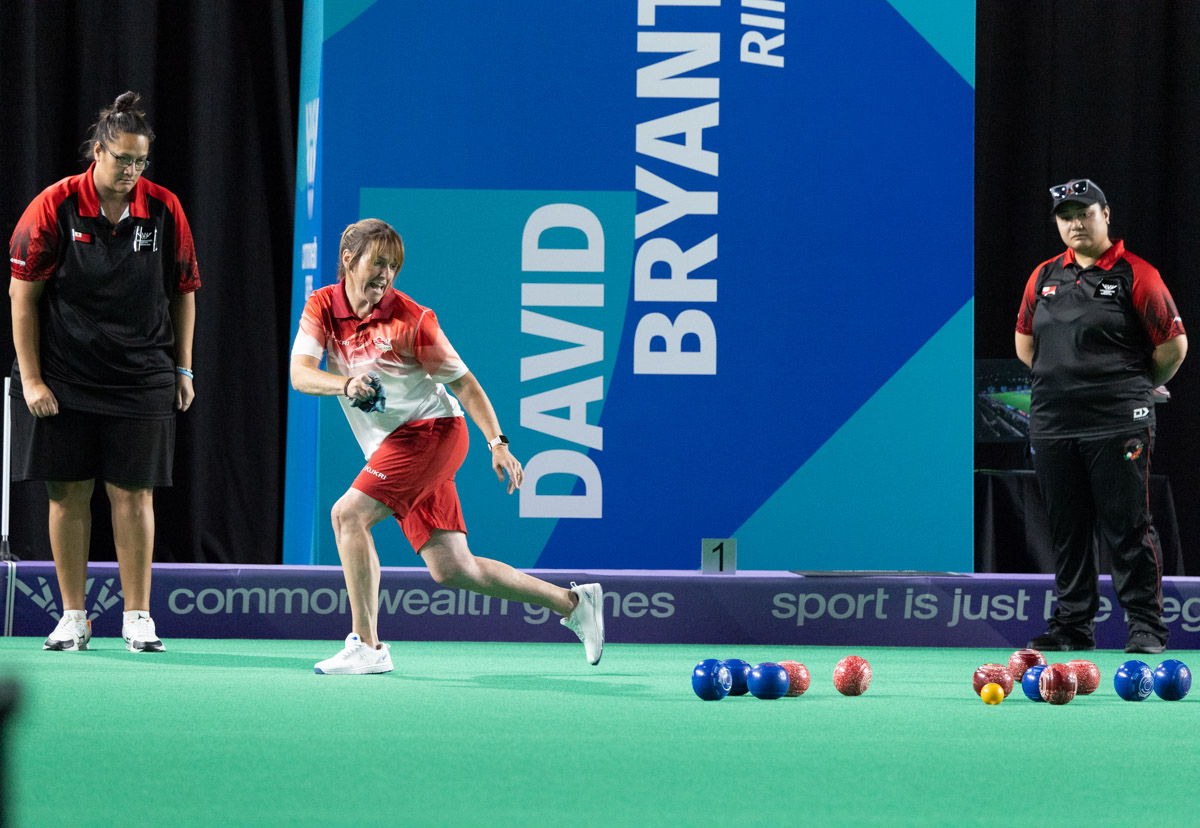 One of the biggest barriers to trying a new sport is not necessarily cost or ability; it is simply not knowing what to expect. A potential new member may be wondering what they should wear, whether they need their own bowls, whether they have to know the rules or whether everyone else will be much better than them. Clubs can remove those barriers before someone even arrives. Create a simple 'Your first visit' section on your website and include practical information such as: - What to wear and what footwear is required - Whether bowls and other equipment are provided - Where visitors should park and which entrance they should use - Who they should ask for when they arrive - How long a session lasts - Whether they need to book in advance - What they can expect during their first session - How much it costs, including whether an initial taster session is free. Even better, create a short video filmed on a phone showing someone arriving at the club, being welcomed, putting on their shoes, picking up a set of bowls and having their first delivery. For someone who is nervous about trying something new, seeing exactly what will happen can make the difference between coming along and deciding not to bother. Think beyond the day 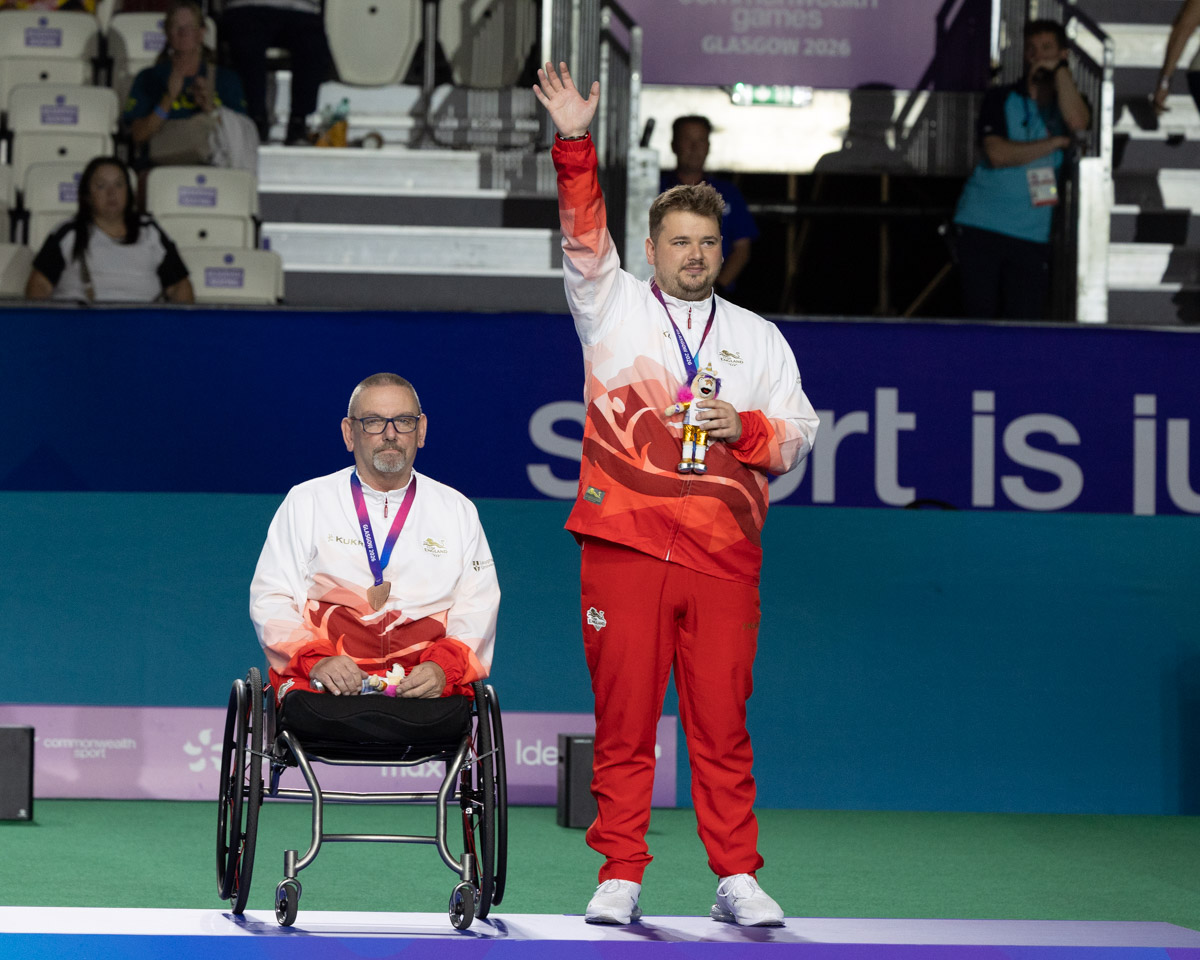 Don't just run an open day-create a pathway. Open days and taster sessions can be an excellent way of attracting new people, but clubs should think carefully about what happens afterwards. If someone comes along for an hour, enjoys themselves and then receives a membership form telling them to join immediately, you are asking them to make a decision before they have really experienced club life. It's too much pressure. Consider creating a four or six-week 'Discover Indoor Bowls' programme instead. For example, a club could offer one beginner session every Saturday morning for six weeks, with the same coach or small group of volunteers supporting the participants throughout. The sessions could gradually introduce delivery, basic rules and simple games, while allowing newcomers to get to know one another. At the end of the six weeks, invite the group to stay for tea or coffee, introduce them to existing members and explain the different ways they can continue playing. The aim is not simply to teach someone how to bowl, it is to help them feel that they belong. Use Glasgow's stars to tell your story The Commonwealth Games has given indoor bowls some brilliant ambassadors. Clubs should make use of that while the performances are still fresh in people's minds. If you have an England international, former international or Commonwealth Games player connected to your club, tell people about them. 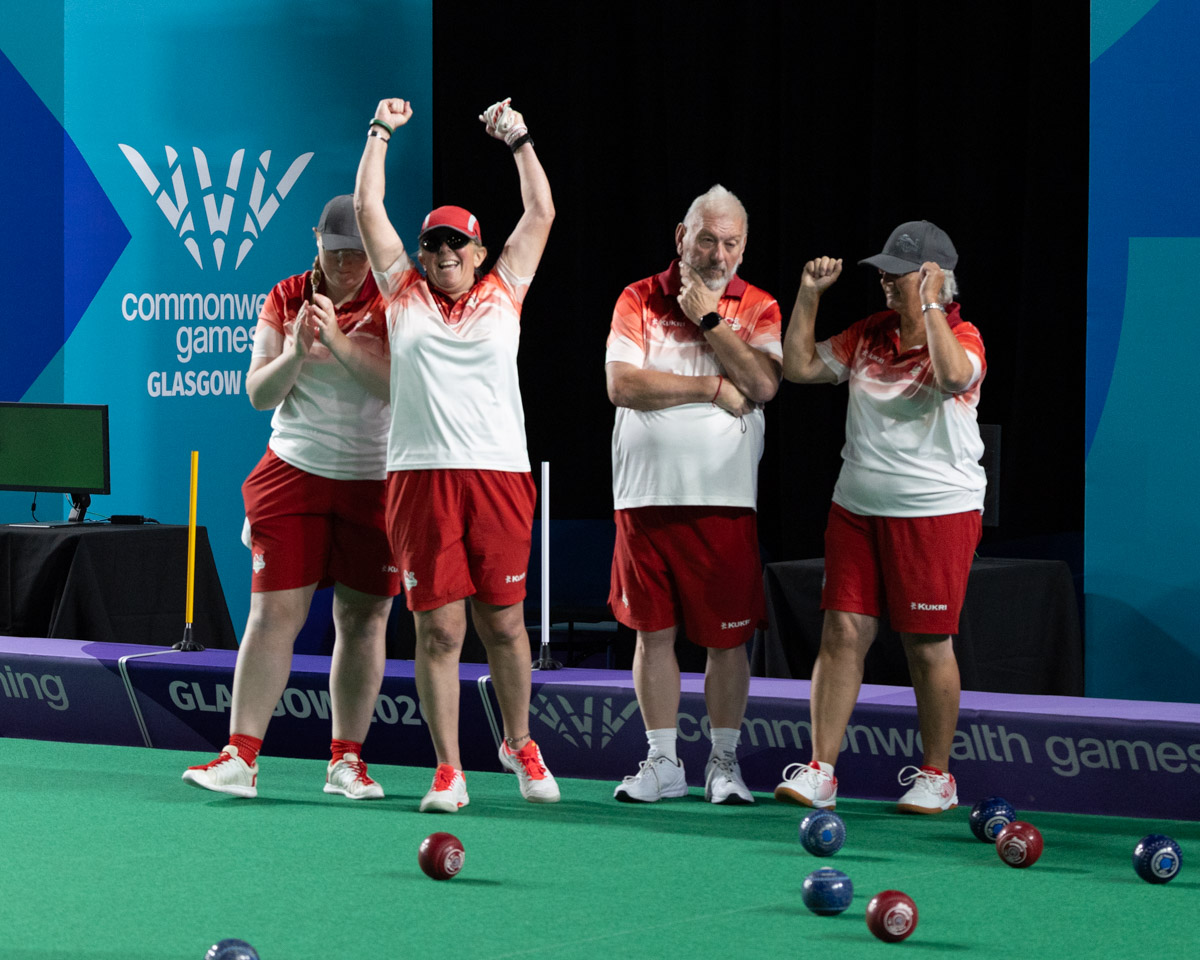 Put their photograph on your club noticeboard, share their Glasgow story on social media and invite them to come along to a club session. You don't need an international player to have a Glasgow connection, either. Perhaps one of your members travelled to the Games. Did your junior players watch the finals together? Share those stories. A simple social media post saying 'Inspired by Glasgow 2026? Come and have a go at the sport for yourself- our next beginner session is Saturday at 10am' is more powerful than you think. Show people what they are joining It is easy for clubs to promote bowls by talking about competitions, leagues and championships because that is what we know and love. But not everyone coming through the door is interested in becoming a county player or winning a national title. Someone might be looking for a way to stay active. Someone else might have retired and want to meet people. Another person may have moved to the area and is looking for a social activity. That's where indoor bowls clubs have a huge amount to offer. Show the social side of your club. Photograph members having coffee after a session. Could you share your club's social events or introduce your volunteers? Tell people about the friendships that have developed through the club. If your club has a quiz night, lunch, coffee morning, charity event or social league, shout about it. People may come through the door because they saw bowls on television, but they stay because they feel they belong. The EIBA will continue to work with clubs to support the growth and development of indoor bowls, but national exposure only becomes meaningful participation when people have somewhere to go. By Sian Honnor Photo credit: World Bowls / Sporting Highlights We' d love to know what bowls means to you, get in touch at info@eiba.co.uk Previous Article - FROM A £100,000 COUNCIL PROJECT TO SIX NATIONAL FINALS TITLES: HOW SPALDING IBC HAS KEPT BOWLS MOVING FOR MORE THAN 50 YEARS |
September 2026
 |
Archives |
Accessibility |
Downloads |
Guidance Notes |
Links |
Photos |
Contact Us |
Privacy Notice
 |